
Directions to our ER
Health care starts with you. If you’re experiencing symptoms, it’s up to you to pay attention and decide how to respond—whether you call your doctor for an appointment, go to the emergency room or call 911. Learn what to watch for and how to respond.
If you are experiencing a medical emergency, call 911. If you need to go the emergency room, we’re ready for you 24/7.
Related Services and Conditions

Abdominal Pain
Abdominal Pain in Adults When to Monitor at Home—and When to Seek Medical Help Abdominal (belly)...

Asthma
Asthma: Know the Signs, Manage the Triggers, Get Help Fast Asthma is a chronic condition that...

Chest Pain
Chest Pain: When to Seek Emergency Care Chest pain can have many causes. Some are life-threatening...
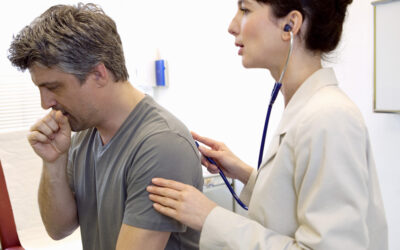
Chronic Obstructive Pulmonary Disease (COPD)
Chronic Obstructive Pulmonary Disease (COPD) Chronic obstructive pulmonary disease (COPD) is a...

Fever, Adult
Fever-Adult A fever is a body temperature of 100.4°F or higher. Mild or short-term fevers...

Fever, Pediatric
Fever-Pediatric A fever in children is a temperature of 100.4°F or higher. In children older than...

Heart Attack
In the movies, signs of a heart attack seem straightforward and dramatic. In real life, heart attack symptoms can happen…

Nausea and Vomiting, Adult
Nausea and Vomiting—Adult Nausea is the sensation of an upset stomach or feeling like you might...

Stroke
According to the National Stroke Association, a stroke is the leading cause of death in the U.S., and the leading…
ER
In a medical emergency, every minute matters. That’s why we work diligently to have you initially seen by a medical…